
The question everybody asks first
What a custom home costs in Indiana, and what decides it.
There is a real answer. It just isn't a number per square foot. Here's what moves the price of a house we build, and how you get from a rough idea to a figure you can sign.
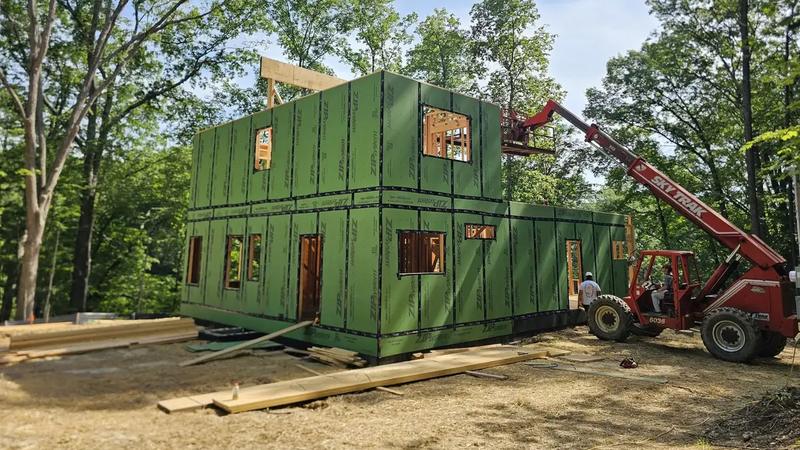
Most of the custom homes we build land between $350,000 and $1 million-plus. That spread is wide on purpose. Two families can ask for the same size house and end up far apart, and almost all of the gap comes from a handful of decisions you can see coming. The ground you build on is the first of them, and it gets decided before anybody draws a room.
The lot sets the floor before the house does
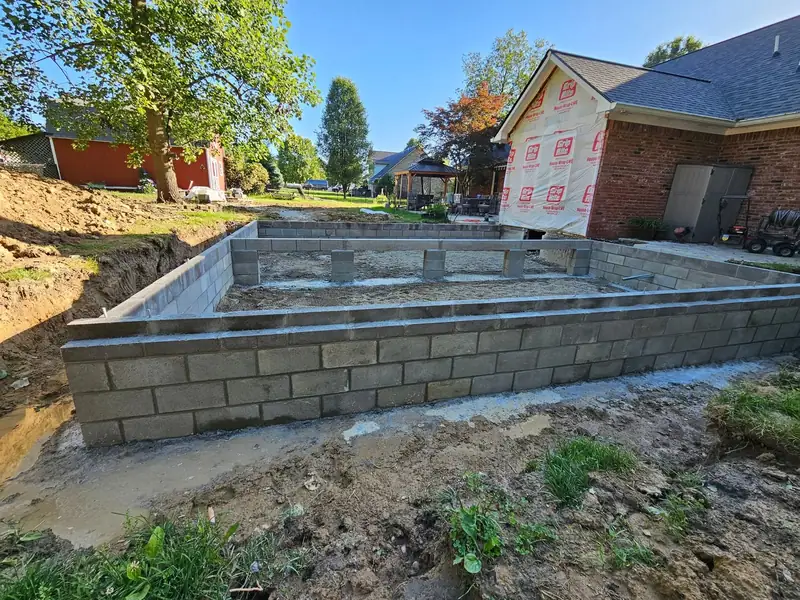
We build on your land, so the first costs on a Northwood job are the ones underground and at the road. None of them show in the finished house, and all of them get paid for.
- Water and waste. A lot on city water and sewer connects to what's already there. A rural parcel needs a well drilled and a septic system the county health department approves, and the soil decides how big that system has to be.
- Getting power and a driveway in. A house set well back from the road pays for every foot of trench and gravel between the two. A long lane also has to carry a loaded concrete truck, not just a car.
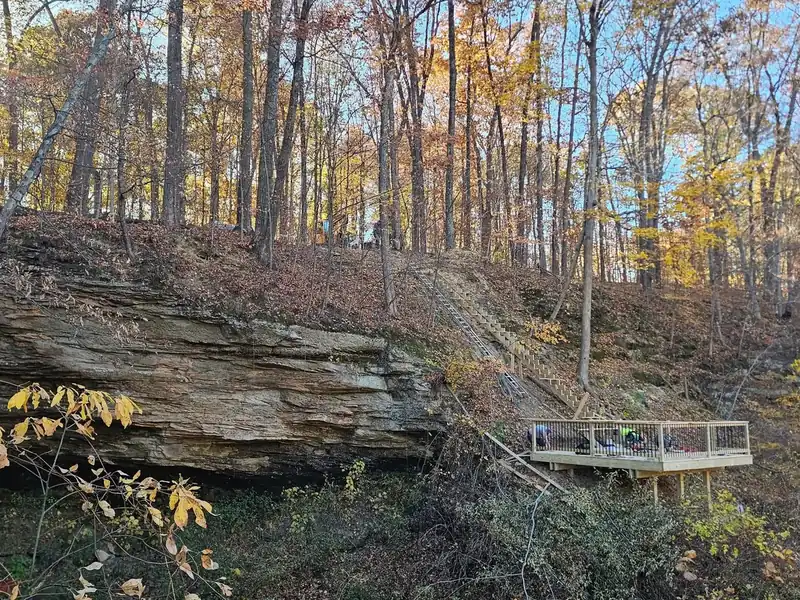
- Grade and trees. A flat, open lot is the cheap case. A wooded lot means clearing and hauling. A slope means more foundation, more fill, or a walkout basement, and sometimes retaining walls.
- What's in the ground. Rock, wet soil or old fill don't show up until someone digs. Where we have reason to suspect them, we'd rather find out early than price around a guess.
This is why we walk a property before anything else, and why a lot that looked like a bargain sometimes isn't. If you're still shopping for land, call before you buy.
Then the house: the decisions that move it most
Once the site is known, a few choices about the house itself do most of the work on the number. None of them are good or bad. They're just expensive or not, and it helps to know which is which while things are still on paper.
- What it sits on. A slab, a crawl space and a full basement are three very different foundations. A basement buys a lot of usable space, and it's also the single biggest foundation line.
- How complicated the shape is. Every extra corner in the footprint is more foundation, more framing and more trim. A simple rectangle under one roof is the most house for the money.
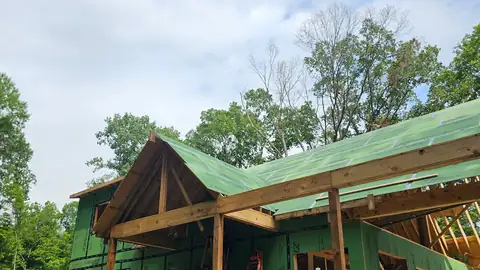
- The roof. Steep pitches, dormers and several ridges meeting look great and cost real money in framing, roofing and flashing. Flashing is also where water gets in when it's done badly, so we don't cut corners on it.
- Windows and doors. Count, size and brand add up quickly, and a wall of glass facing a view is worth it to a lot of people. We'd just like you to choose it knowing what it costs.
- Kitchens and baths. Cabinet line, countertop material and tile choices swing more than people expect. Two kitchens with the same layout can differ by tens of thousands of dollars on selections alone.
- Mechanical systems. The heating and cooling system, how many zones it has, and the water heater all sit inside the walls, and they're easy to overlook until pricing.
Why a smaller house costs more per square foot
This is the part a square-foot price hides. A 1,500 square foot ranch still needs a kitchen, bathrooms, a furnace, a water heater, a driveway and a well or a sewer tap. Those don't shrink with the floor plan, so they get spread over fewer square feet. A big house with the same kitchen spreads that cost thinner. The small house isn't overpriced; the ruler is just the wrong tool.
It works the other way too. Adding a bedroom over the garage is cheap space per foot, because the foundation and roof were already being paid for. That's the sort of trade we look for with you during design.
From a guess to a signed number
Three prices, each one firmer than the last.
A rough ballpark
After we walk the site and hear what you want. Free, honest, and not something to take to a bank.
A priced design
Pre-construction, which we charge for: drawings, specifications, and the trade partners and suppliers pricing their own work.
A fixed contract
A permit-ready set of plans with a price we sign and are held to, paid in draws as the work gets done.
Cost questions
What people ask before they call.
A rough one, yes. After the first phone call we come out and look at the site, and based on what you describe we'll tell you roughly where we think it lands, plus any red flags we can see from the dirt. Neither step costs you anything.
That ballpark is good for deciding whether to keep going. It isn't a price, and we'll say so. The price comes out of pre-construction.
Not usually, and we won't pretend otherwise. What building gets you is control over where the money goes: into the kitchen you'll use every day instead of a formal dining room you won't, into wide doors and a main-floor bedroom you'll want in twenty years, into the air and water details nobody sees.
If the goal is the lowest cost per square foot, an existing house is hard to beat. If the goal is a house that fits and lasts, that's the case for building.
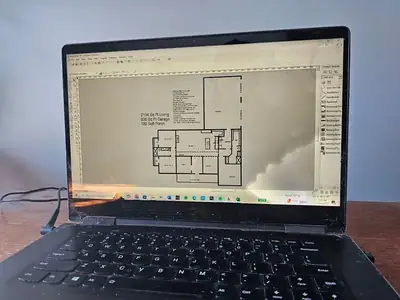
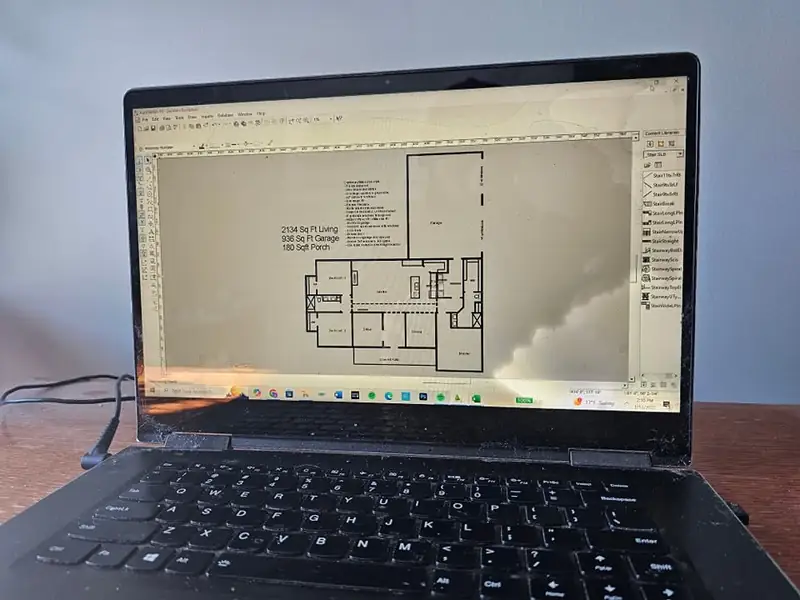
Where the land is (or the ones you're considering), roughly what you're picturing, and roughly what you have to spend. A floor plan you found online or a sketch helps if you have one; we can redraw it, work with your architect's plans, or start from nothing.
If you're financing, it's worth talking to your lender early. Construction loans are usually written against the drawings and fixed-price contract that pre-construction produces.
Start a project
Tell us where the land is.
The lot decides more of the price than anything else, so that's where we start. We reply within three hours on a weekday.